
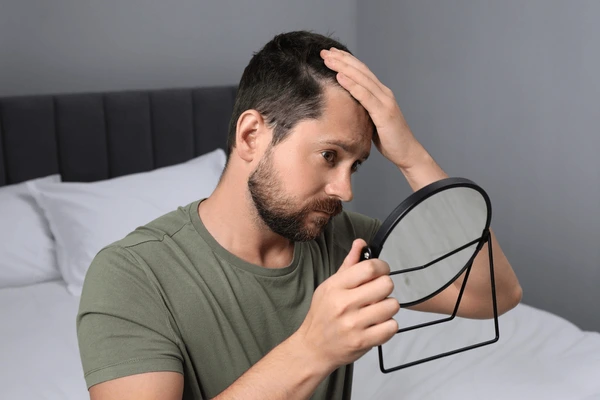
Noticing a receding hairline can spark immediate worry for anyone living across the UK. When men look in the mirror, spotting thinning patches demands a calm and structured plan. Finding an effective path forward requires cutting through countless internet myths and unverified online claims. The modern medical market offers advanced clinical interventions, yet old wives tales still cause confusion. Shifting toward science-based facts changes your perspective on personal care and scalp health. Learning the truth about permanent restoration empowers you to make confident, informed choices. Taking control of your grooming journey requires separating marketing hype from clinical reality right from the start.
Why Internet Myths Mislead Patients
Many individuals waste valuable time by believing internet rumors regarding surgical hair restoration. Hearing that procedures look fake or cause intense agony discourages people from seeking proper medical help. True success in modern clinics depends entirely on advanced techniques and strict regulatory approval. Medical authorities across Britain evaluate safety and efficacy before endorsing clinical procedures for public use. Relying on scientifically proven options prevents disappointment and secures lasting aesthetic gains over time. Understanding the biological mechanisms behind your treatment protects your scalp and your investment. Selecting the right clinical care means looking past online myths before symptoms advance further.
Myth One: Surgical Results Always Look Unnatural
A persistent myth suggests that restored hairlines always appear harsh, pluggy, and easily detectable to observers. This misconception stems from older procedures performed decades ago using large tissue chunks. Modern techniques have evolved dramatically, transforming the industry into an art form based on micro-precision. Today, skilled surgeons place individual follicular units at precise angles to mimic natural growth patterns. This meticulous approach creates a soft, undetectable frame around the forehead and temples. Patients can style their hair naturally without fearing that anyone will spot clinical work. Understanding this evolution changes how people view modern restoration across British clinics.
Lessons From a Jude Law Hair Transplant
Public figures often face intense scrutiny regarding their changing appearances as they grow older. Observers frequently discuss a rumored Jude Law hair transplant when analyzing subtle hairline improvements. Famous actors navigate pattern recession under bright studio lights and high-definition cameras every single day. Their choices highlight how discreet surgical solutions can restore youthful framing without looking unnatural or obvious. While the celebrated British actor has never publicly confirmed any clinical procedures, experts point out intriguing visual details. A careful review of a Jude Law hair transplant shows how precise graft placement works wonders. Elite surgeons emphasize that restoring a mature hairline requires respecting natural facial geometry rather than forcing perfection. This thoughtful approach keeps the final result believable and completely undetectable to fans, colleagues, and casual onlookers.
Myth Two: The Recovery Process Is Extremely Painful
Another widespread misconception claims that follicular restoration involves excruciating pain and months of hiding indoors. People often picture bandages, severe discomfort, and prolonged downtime following a clinical procedure. In reality, modern local anesthetics numb the scalp completely during the extraction and implantation phases. Patients stay fully awake, relaxed, and comfortable throughout the appointment without needing heavy general sedation. Mild tightness or minor redness subsides rapidly within the first few days following the appointment. Most individuals return to their light daily routines and professional duties within a short window. Understanding the true nature of recovery removes unnecessary fear and encourages timely action.
Managing Anesthesia and Healing Comfort
Clinics across London and other British cities prioritize patient comfort by offering a relaxed environment throughout the day. Modern techniques utilize local numbing agents to block any sharp sensations during micro-punch harvesting. Following explicit post-operative guidelines protects newly placed grafts as they settle securely into place. Small adjustments to your daily routine preserve the structural integrity of every newly established hair follicle. Recovering smoothly allows you to resume your normal schedule without massive lifestyle interruptions. Knowing that physical ease matches aesthetic goals gives patients profound peace of mind. Every smart adjustment to your post-care routine reduces friction and encourages a healthier scalp environment.
Myth Three: Transplanted Hair Requires High Maintenance
Some individuals believe that newly restored hair demands complicated daily routines, expensive chemicals, and special shampoos. This myth discourages busy professionals from exploring permanent surgical solutions for pattern recession. Once transplanted follicles anchor securely into the scalp, they behave just like normal hair. Because these roots come from the permanent donor zone, they retain their natural biological programming. You can wash, cut, and style your restored hair exactly like the rest of your natural strands. No special treatments or chemical upkeep are necessary to keep your new hair growing normally.
Long-Term Care and Natural Growth
Achieving a thick head of hair marks only the first phase of your long-term personal strategy. Protecting your hard-earned results requires ongoing dedication to scalp health and sensible daily habits. Skipping maintenance routines can allow untreated native hair to thin slowly over the following decades of life. Integrating your restoration journey into a lifelong wellness plan safeguards your physical investment securely. Finding the ideal moment for success ultimately bridges medical science and personal readiness. Walking through bustling cities across the UK with a full head of hair feels liberating. Investing in your appearance changes how you interact with the world and boosts self-assurance. Modern advancements mean you no longer have to accept thinning hair as an inevitable reality. Embrace your personal timeline today and leave hair-related worries firmly in the past.
Myth Four: Anyone Can Jump Into Surgery Immediately
A final dangerous myth suggests that anyone experiencing hair loss can walk into a clinic and book surgery instantly. Ethical medical professionals know that patient candidacy depends on rigorous medical evaluations and pattern stability. Rushing into surgery too early can lead to unpredictable outcomes as natural recession continues. Surgeons evaluate your age, scalp laxity, and donor reserve before approving any operational plan. Analyzing your personal shedding rate removes guesswork from your scheduling decisions and protects finite resources. Patience safeguards your future donor supply and ensures your final outcome looks completely balanced.
Reviewing a Jude Law Hair Transplant Before and After Timeline
Looking closely at public photographs reveals fascinating details about how hairlines change over long periods. When studying a Jude Law hair transplant before and after timeline, independent observers notice consistent frontal density. Early films show higher temple recession and a widow peak under harsh cinematic lighting conditions. Later appearances display a stronger, more defined framing around the forehead and temples that persists for years. These visual differences spark endless debates among grooming enthusiasts regarding modern surgical capabilities and permanence. Whether achieved through micro-grafting or advanced medical management, such changes demonstrate the enduring power of modern restoration art. Understanding these visual shifts helps patients set realistic expectations for their own surgical journeys.